5 Practical Ways to Reduce Your Logistics Costs in 2026
Logistics is often one of the largest line items on a company's balance sheet — and one of the easiest to overspend on. The good news is that small, data-driven changes can deliver outsized savings.
The tactics below aren't theoretical. Each one is something logistics teams put into practice every week, and together they can take a meaningful percentage out of your total landed cost without forcing you to compromise on delivery speed or reliability.
1. Consolidate shipments
Combining smaller orders into fuller loads reduces the cost per unit shipped and cuts the number of trips. A TMS can identify consolidation opportunities you would never spot manually.
2. Optimize your routes
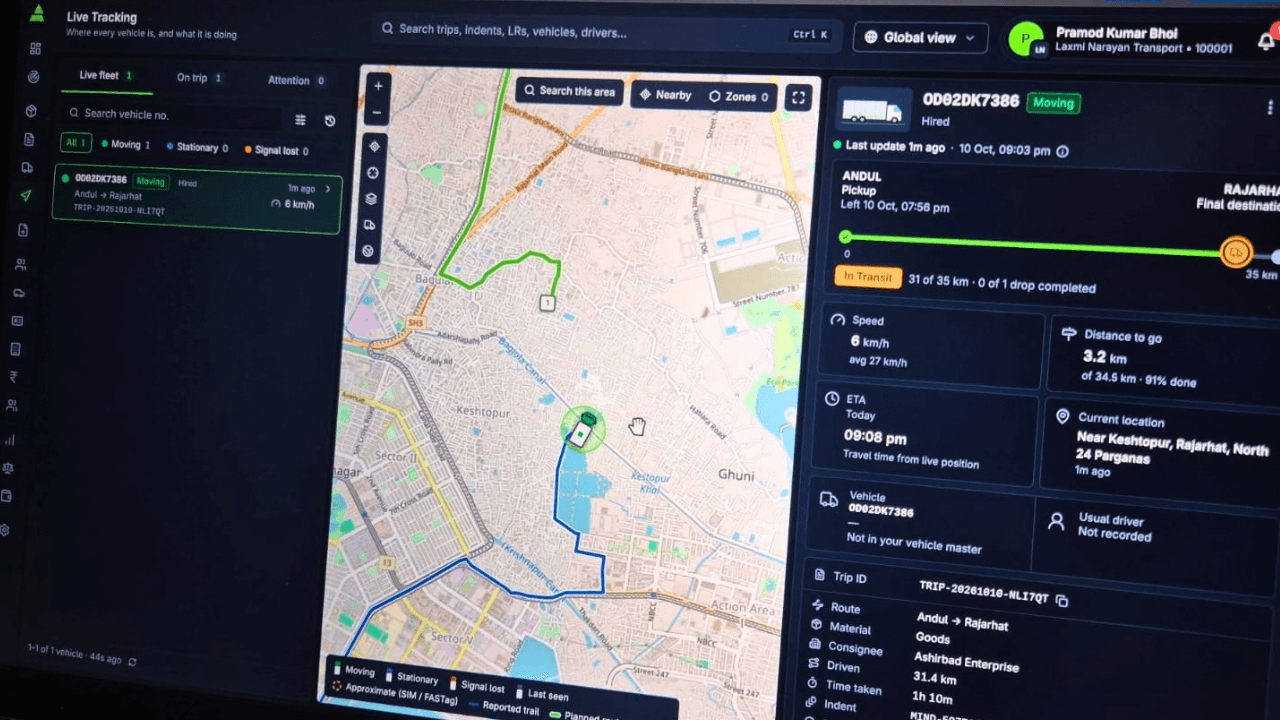
Smart routing avoids congestion, reduces fuel burn, and lowers empty miles. Even a few percent of efficiency gained across a fleet adds up to significant annual savings.
3. Right-size your warehousing
Storing inventory closer to demand shortens the last mile and speeds up delivery. A network of strategically located hubs beats one distant mega-warehouse for most businesses.
4. Use data to negotiate
When you can measure lane costs, carrier performance, and seasonal demand, you negotiate from a position of strength — and you know exactly where the waste is hiding.
5. Partner with the right 3PL
A capable logistics partner brings scale, technology, and expertise you would otherwise build in-house. Deltreq helps businesses cut costs, reduce delays, and grow without adding overhead.
The right partner also absorbs volatility for you — spreading your freight across a vetted carrier base so a single capacity crunch or rate spike doesn't blow up your budget.
Don't ignore the hidden costs
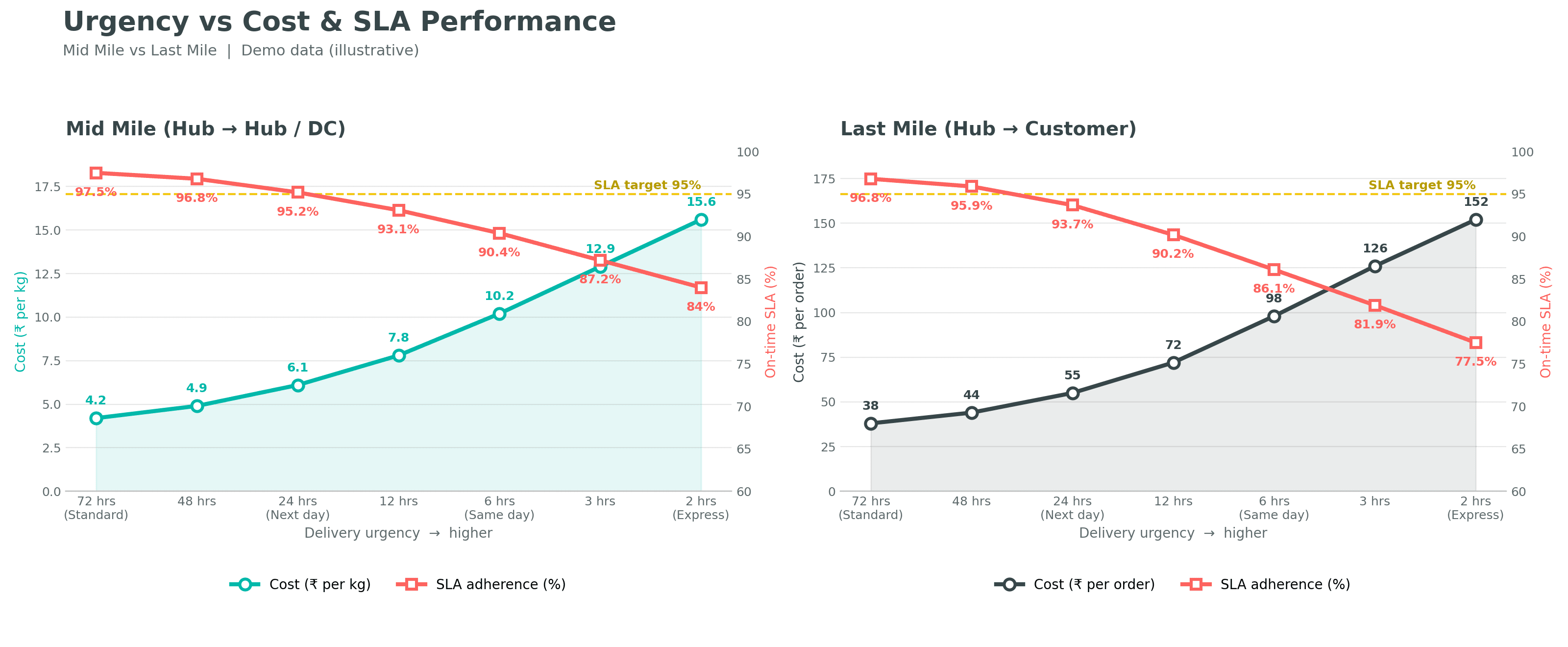
Headline freight rates are only part of the picture. Detention and demurrage charges, accessorial fees, failed-delivery redeliveries, and excess packaging quietly inflate your real cost per shipment.
Returns are another blind spot. A clear reverse-logistics process — consolidating returns, restocking quickly, and salvaging value where possible — protects margins that are otherwise lost the moment a customer ships something back.
Measure, then keep improving
Cost reduction isn't a one-time project; it's a habit. Track a handful of metrics consistently — cost per order, on-time delivery rate, average load utilization, and freight spend as a percentage of revenue.
Review them monthly, pick the biggest outlier, and fix it. Small, compounding gains beat a single dramatic overhaul, and they're far less disruptive to your customers.